Type 1, 2, and 3 Surge Protectors
When you plug in your air fryer, you don’t think about the electricity surging along the wires and into the appliance. However, the safety of your home depends on your electrical system and appliances functioning properly.
If a sudden surge of power courses through the wiring, it can end up damaging your devices or starting a fire. By investing in Type 1, Type 2, and Type 3 surge protectors, you can prevent damage to your appliances and home.
What Are Surge Protectors?
Surge protectors are electrical devices that keep your electronics from getting damaged by power surges. When a voltage spike occurs, the surge protector diverts the extra power so that it doesn’t end up in your kitchen appliances, computers, gaming systems, and other electronics.
These systems function by diverting and absorbing the added power. Metal oxide varistors (MOVs) or gas discharge arrestors work to send the extra voltage to the ground. By absorbing the added power, the surge protector functions as a safeguard.
Without surge protectors, electronic components can be destroyed by unexpected voltage fluctuations. For your computers and sensitive electronics, surges can lead to data loss, equipment damage, electromagnetic interference, and similar problems.
Unfortunately, surges aren’t just from lightning and power grid fluctuations. The appliances in your home or business could be causing power fluctuations. High-powered devices, such as air conditioners, elevators, refrigerators, and heat pumps, can cause internal surges when they turn on and off. Even the slightest surge can end up harming delicate electronic components if you don’t have surge protection installed.
What Is the Difference Between Type 1, Type 2, and Type 3 Surge 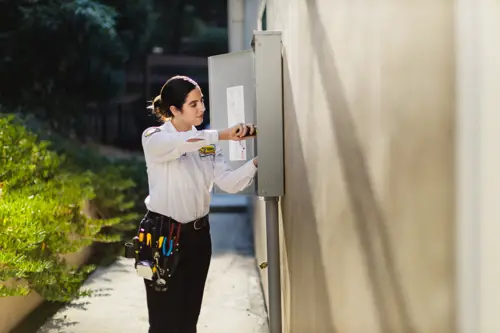 Protectors?
By getting surge protectors installed, you can protect your home from sudden surges of energy. There are three essential types of surge protectors. Ideally, all three types should be used to create a layered approach to protection. During the initial consultation, one of our electricians will walk you through each type and discuss which option makes the most sense for your needs.
Type 1 Surge Protectors
Often, you’ll hear people refer to a Type 1 surge protector as a service entrance surge protector. This is because they are installed on the main electrical panel of your home. When a surge occurs outside of your home, it is unable to damage your electronic devices because these surge protectors stop it from coming inside. These heavy-duty protectors are your home’s first bulwark against lightning strikes and grid fluctuations.
Type 2 Surge Protectors
In comparison, Type 2 surge protectors are typically installed on the distribution panel level or electrical subpanel. They are frequently called panel surge protectors because they protect against moderate surges in your home’s electrical systems. For example, they are effective against the small surges that happen when you turn on and off your appliances.
Type 3 Surge Protectors
Type 3 surge protectors are often known as point-of-use surge protectors. They are the last line of defense against electrical surges. Typically, these units are installed inside your electronic devices or at individual outlets. This ensures a high level of localized protection for your most important electronics. If any surges get past Type 1 and Type 2 protectors, Type 3 protectors will catch them.
How To Decide Which Surge Protectors You Need
If you are concerned about your electronic devices, surge protection can help. For the best results, use a layered approach. This ensures that there are multiple lines of defense that can stop surges before they reach your appliances and electrical systems.
The Benefits of Whole-Home Surge Protection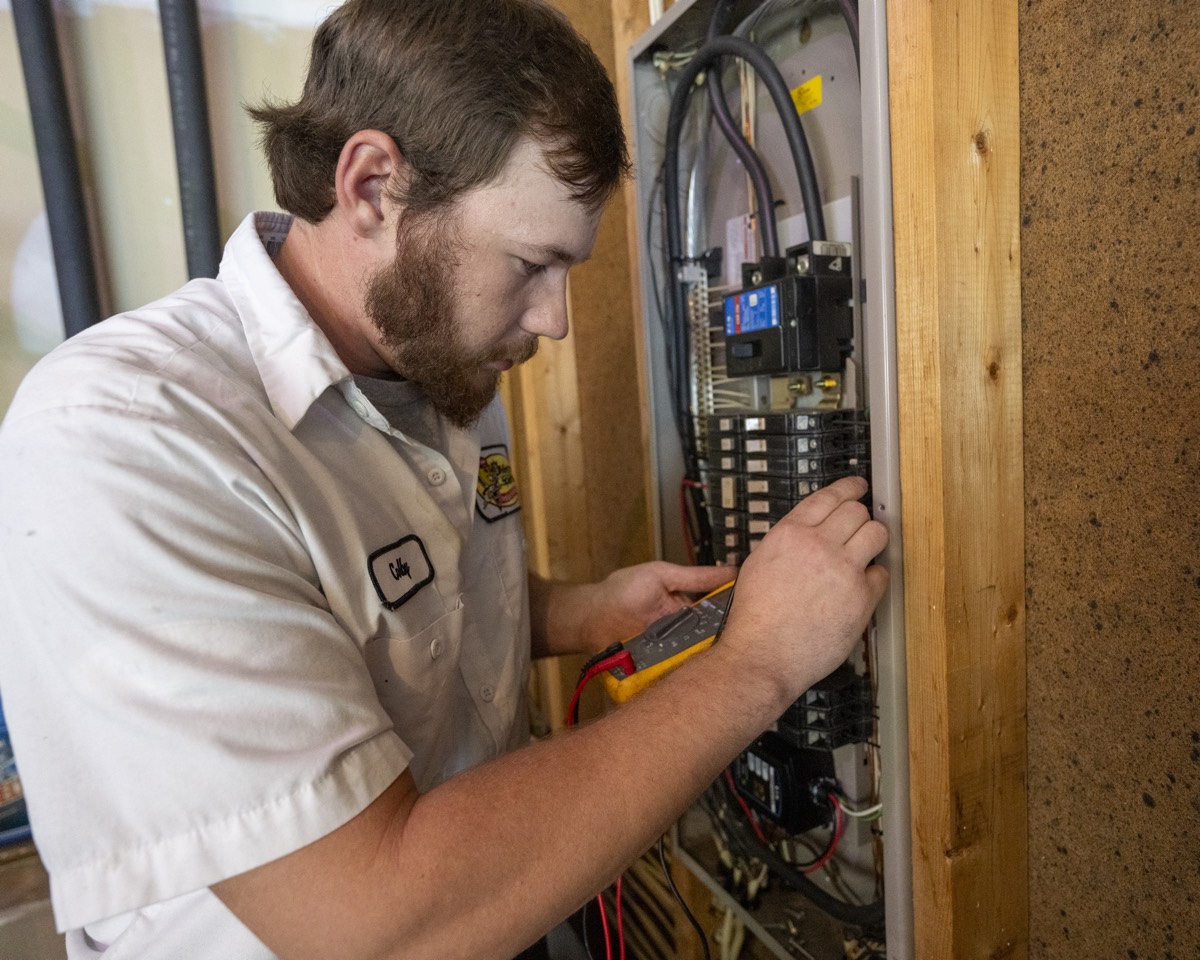
You can’t control lightning strikes or unexpected power surges. However, the right surge protection can help you stop the surge from harming your electrical systems. By investing in a multi-layered approach, you can enjoy a few key benefits.
- Fewer Repairs: Surge protection significantly reduces the likelihood of expensive repairs. You can avoid costly damage to your circuit boards, appliances, and electrical systems.
- Better Longevity: Repeated surges cause added strain on your electronics. By reducing the number of surges, you can ensure a longer lifespan for your electrical devices.
- Increased Safety: Through surge avoidance, your loved ones can enjoy having a safer home. Fewer surges mean a lower likelihood of fires, electrocutions, and other safety risks.
Signs Your Home May Need To Invest in Whole-Home Surge Protection
Surges don’t happen on a convenient schedule. As a homeowner, you might not realize that a surge has occurred until after it has already damaged your electronics. By paying attention to common signs and symptoms, you can figure out when a surge has happened.
For example, many power surges will cause a home’s lights to flicker and dim. This is especially common when you initially turn on another appliance. Similarly, recurring tripped breakers are often an indication that brief surges are happening.
You should also pay attention to any unusual occurrences. Repeated surges can damage electronics, so your microwave, fridge, or air conditioner could fail unexpectedly. You may also notice that your home’s power outlets seem unusually warm.
All of these symptoms are indications that something is wrong with your home’s electrical systems. Left undiagnosed, these problems could result in major damage to your appliances and wiring. They also pose a serious safety risk. In addition to getting your surge protection installed, you should also have one of our professional electricians review your electrical systems. If power surges have caused hidden damage, we can quickly diagnose it and recommend the best course of action.
Get Surge Protection Installed Today
Each year, unexpected power surges cause extensive damage in the United States. By adopting a multi-layered approach, you can save money on repairs and extend the lifespan of your electronics.
If you’re concerned about the danger of electrical surges in your home, we can help. Schedule a consultation today to learn more about the best surge protection options for your needs. Don’t put up with any malarkey. Call Mr. Sparky!